Insulation Types: Waterproofing, Thermal and Foam
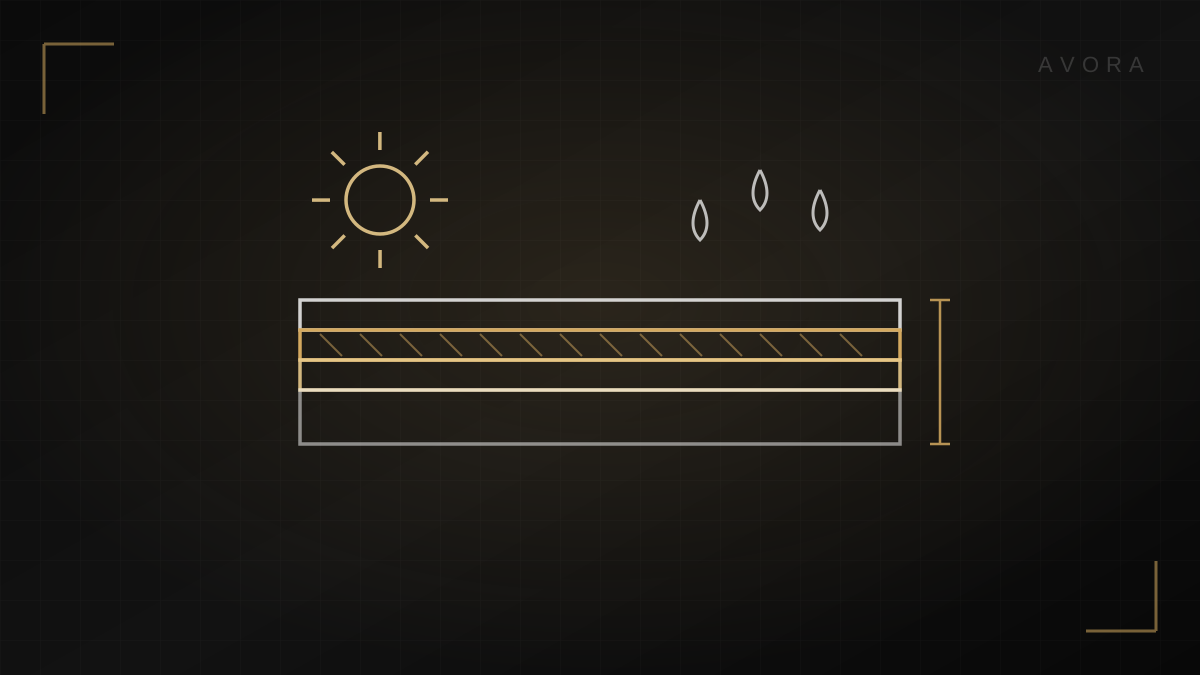
Insulation is not an optional extra; it protects the building and cuts electricity bills. The problem is that many people confuse waterproofing with thermal insulation, spend on the wrong one, and see the problem return. This guide explains the difference in practical terms.
Waterproofing: stopping leaks
Its job is to stop water reaching the concrete. It is used on roofs, water tanks, bathrooms and foundations.
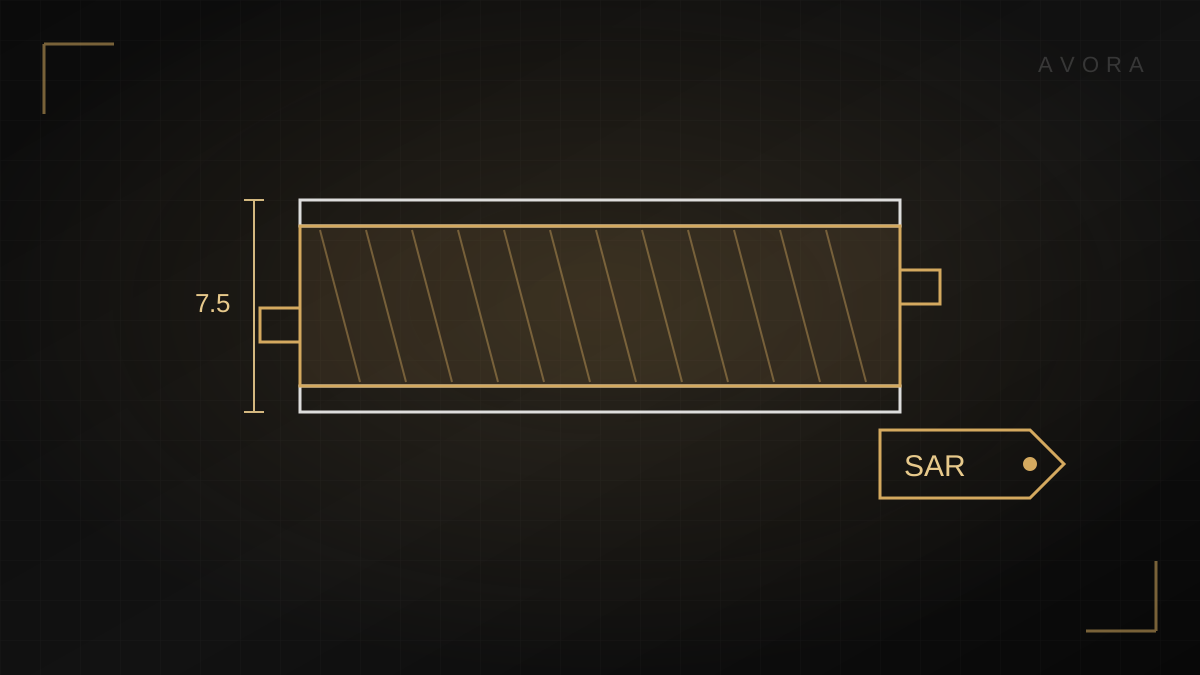
The common types are bituminous membrane rolls, heat-welded in place, and liquid membranes applied in coats, which suit complex shapes.
Thermal insulation: reducing heat transfer
Its job is to reduce solar heat entering the building, which shows up directly in air conditioning consumption.
Common types are polystyrene and polyurethane boards, installed under tiling, within walls or above the roof slab.
Spray foam: both in one layer
Spray foam is applied as a liquid that expands and sets, giving both waterproofing and thermal insulation at once.
Its big advantage is filling gaps and corners seamlessly, reducing leak points. It needs a protective top coat because UV degrades it over time.
Quick comparison
| Type | Function | Approx. rate | Best for |
|---|---|---|---|
| Waterproof membrane | Stops water | SAR 25 – 45 | Roofs and tanks |
| Thermal boards | Reduces heat | SAR 30 – 55 | Roofs and walls |
| Spray foam | Water + thermal | SAR 35 – 60 | Complex roofs, hangars |
Signs your roof needs insulation
- Damp patches or peeling paint on top-floor ceilings.
- A clear rise in summer electricity bills with no change in usage.
- Noticeable ceiling heat indoors in the afternoon.
- Hairline cracks in roof tiling, or tiles lifting.
- Musty smells on upper floors.
Detect leaks before treating
Before any insulation work, locate the leak source precisely with detection equipment rather than guessing — the source may be a pipe inside a wall, not the roof.
Insulating over an untreated problem hides it temporarily, then it returns worse.
Note: prices in this article are indicative and vary with specification, quantity and site conditions. For an exact figure for your project, request a free quote.
Frequently asked questions
How long does waterproofing last?+
Well-executed waterproofing lasts 8 to 15 years depending on material, installation quality and how exposed the roof is to sun and foot traffic.
Do I need thermal insulation if I have waterproofing?+
Yes — they do completely different jobs. If you want both in a single layer, spray foam is the option.
Can insulation be applied to an old roof?+
Yes, after cleaning the surface, treating cracks and removing damaged layers — an essential step for proper adhesion.