Interior Finishing: Correct Sequence and Common Mistakes
Most finishing problems come not from weak materials but from the wrong order of works. Installing flooring before painting, for example, means either damage or extra protection cost. This guide sets out the correct sequence and the mistakes that recur most.
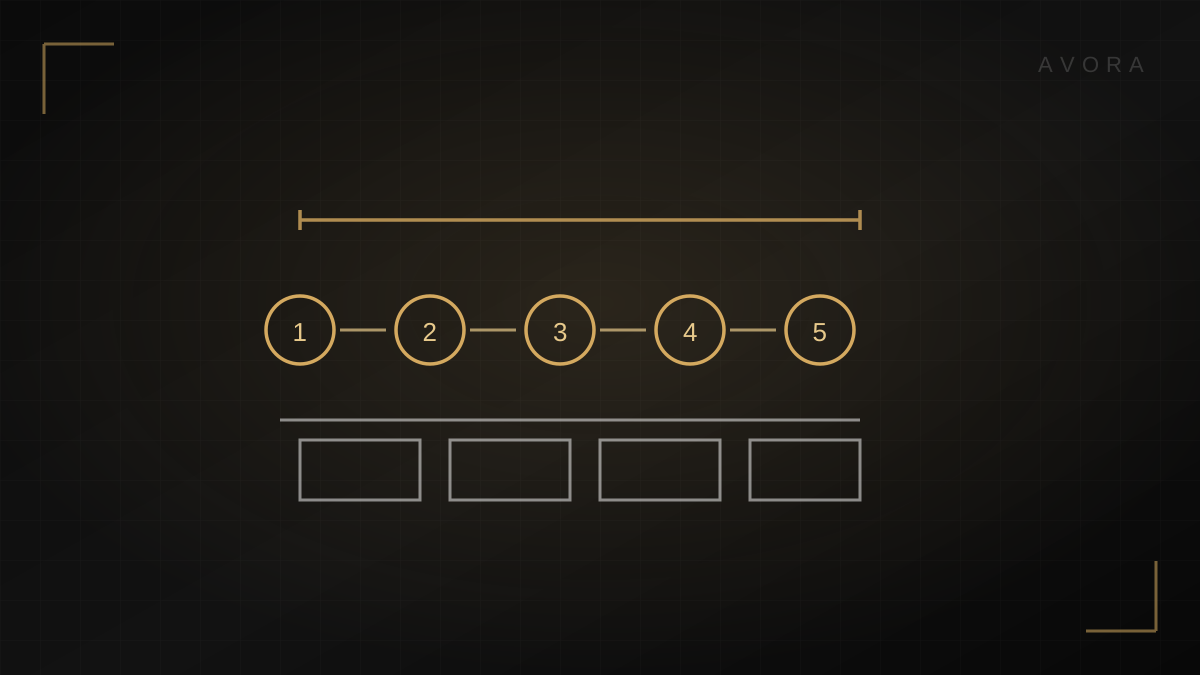
The correct order of works
- First: electrical and plumbing first-fix inside walls, before anything is closed.
- Second: plastering and surface levelling.
- Third: gypsum works and suspended ceilings.
- Fourth: base coat of paint.
- Fifth: flooring and tiling.
- Sixth: doors and built-in wardrobes.
- Last: final paint coat, light fittings and switches.
Services: decisions you cannot fix later
Decide furniture and appliance positions before distributing sockets — moving an outlet after painting means breaking and repairing.
In plumbing, joint quality and pressure testing before closing are what prevent leaks later — not the tile or the mixer design.
Gypsum and ceilings
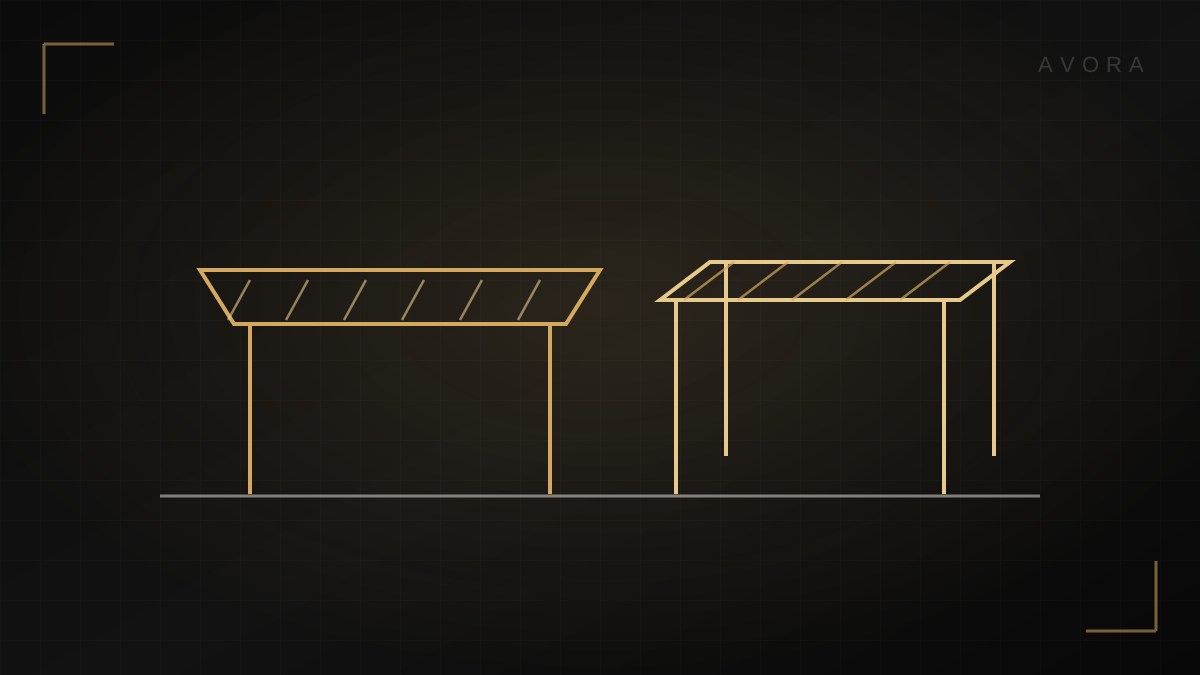
Gypsum board hides services and allows attractive concealed lighting, but reduces ceiling height by 10 – 20 cm.
In low rooms, simple cornices are preferable to a full suspended ceiling.
Paint and flooring
- Good, level filler matters more to the final result than the paint brand.
- Light colours expand the sense of space and suit small rooms.
- For floors, porcelain is stronger than ceramic and better for corridors and living areas.
- Allow 8% – 10% wastage when buying tiles to cover cutting and breakage.
Common mistakes
- Starting finishing before confirming there are no leaks.
- Choosing a contractor on lowest price without seeing completed work.
- Not documenting the agreement with clear items and handover stages.
- Buying materials in separate batches, causing colour variation.
- Neglecting ventilation during painting, extending drying time and hurting the result.
How to choose a finishing contractor
- Ask to visit completed projects, not just photos.
- Request an itemised quote rather than a lump sum.
- Agree a payment schedule tied to completion stages.
- Put duration and material supply responsibility in writing.
Note: prices in this article are indicative and vary with specification, quantity and site conditions. For an exact figure for your project, request a free quote.
Frequently asked questions
How long does finishing a mid-size apartment take?+
A 150 m² apartment usually takes 45 to 90 days depending on finish level, material supply speed and decision-making.
Should I buy materials myself or let the contractor supply?+
Buying yourself gives more control over quality and price; contractor supply is faster and easier. Either way, document the agreed specifications in writing.
What is the difference between renovation and finishing?+
Finishing is work on a new or shell building; renovation treats an existing building and usually includes repairing leaks and cracks and replacing old services.