Waterproofing or Thermal Insulation: Which Comes First?
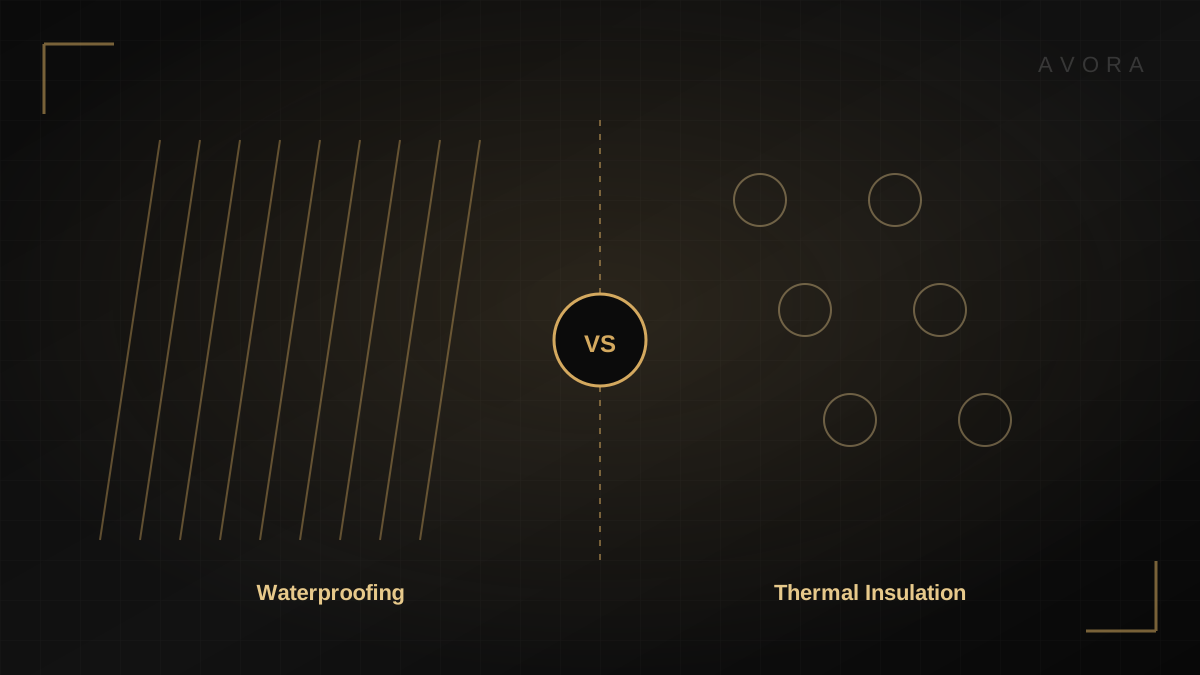
The question "waterproofing or thermal insulation?" often reveals a common mix-up between two very different functions. Waterproofing stops water leaks; thermal insulation reduces heat transfer — you may need one or both depending on your actual problem.
The core difference between the two
| Criterion | Waterproofing | Thermal Insulation |
|---|---|---|
| Function | Prevents water and moisture leaks | Reduces heat transfer |
| When it's urgent | When there's an active leak or roof cracking | When cooling bills rise noticeably |
| Common materials | Bitumen, waterproofing rolls, sealant coatings | Foam, rock wool, insulation boards |
| Execution priority | First, if there's an active leak | Can be delayed if there's no moisture problem |
When waterproofing is the priority
If you notice damp patches on the ceiling, peeling paint, or a musty smell, the problem is primarily water and should be addressed before any thermal insulation — trapped moisture under a thermal layer only makes the damage worse.
When thermal insulation is the priority
If the roof is free of leaks but the rooms below are unusually hot in summer and the electricity bill is high, thermal insulation is the direct fix for that specific problem.
Can both be done together?
Yes, and this is very common on new roofs or full re-insulation projects — waterproofing is applied first as a base layer, then thermal insulation on top of or with it, depending on the system used.
Note: prices in this article are indicative and vary with specification, quantity and site conditions. For an exact figure for your project, request a free quote.
Frequently asked questions
Does thermal insulation also stop water leaks?+
Not necessarily; some thermal systems have partial water resistance, but they're not a substitute for dedicated waterproofing when there's an active leak.
Which is cheaper?+
It varies by area and the insulation system chosen; we detail this precisely in the quote after assessing the roof's condition.
How long does each type of insulation last?+
With correct execution and routine maintenance, both types can last many years before needing partial renewal.