Rock Wool or Polyurethane? A Detailed Comparison
When ordering sandwich panel, you'll face a core material choice: polyurethane (PU) or rock wool? The biggest difference isn't price alone, but fire resistance and how well each suits specific use cases.
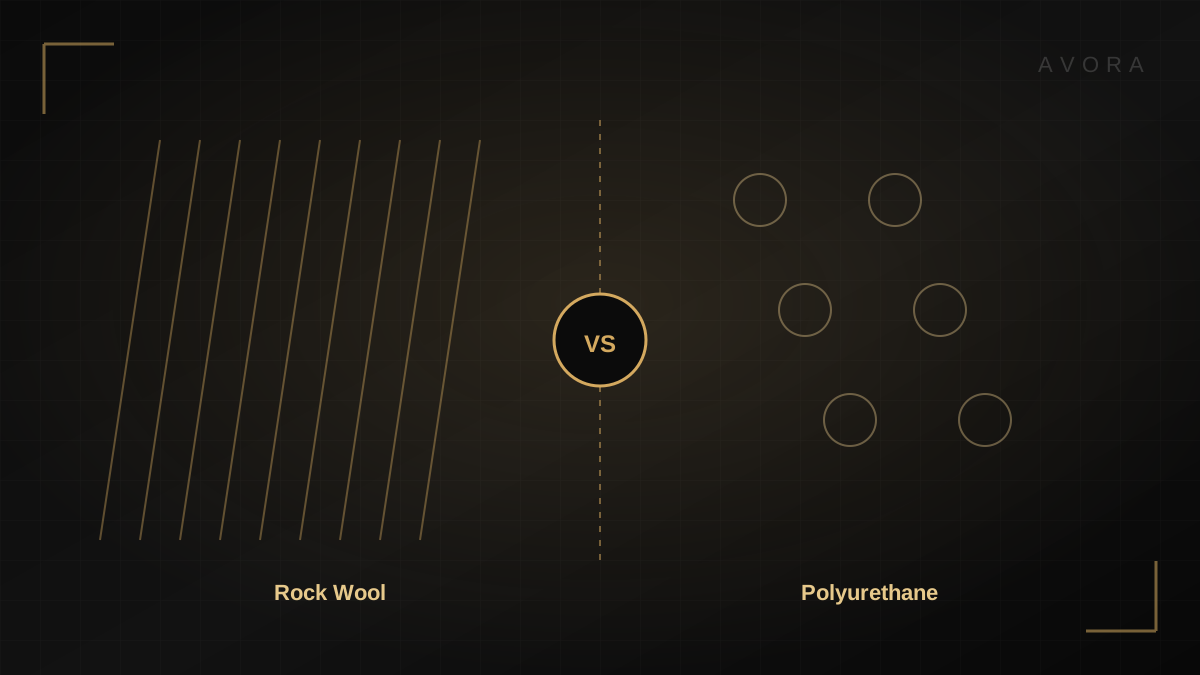
Detailed comparison between the two
| Criterion | Polyurethane (PU) | Rock Wool |
|---|---|---|
| Thermal efficiency | Excellent at every thickness | Good, needs greater thickness for the same efficiency |
| Fire resistance | Relatively flammable | Highly fire-resistant |
| Weight | Lighter | Relatively heavier |
| Cost | Usually lower | 20–30% higher |
| Best use | Cold rooms, annexes, general warehouses | Facilities requiring fire resistance (factories, chemical warehouses) |
When polyurethane is the better choice
For general residential and commercial use where thermal efficiency and cost are the priority, with no strict fire-resistance requirements.
When you specifically need rock wool
In industrial facilities handling flammable materials, large commercial kitchens, or any project where regulations mandate a specific fire-resistance rating.
Can the core type be changed after installation?
No, the core type is part of the panel's own manufacturing and must be decided before ordering — so it's important to clarify the building's intended use when requesting a quote.
Note: prices in this article are indicative and vary with specification, quantity and site conditions. For an exact figure for your project, request a free quote.
Frequently asked questions
Is rock wool always worth the price difference?+
Only if your project genuinely needs fire resistance; for general use, polyurethane delivers excellent efficiency at lower cost.
Which is lighter on the structural frame?+
Polyurethane is lighter, which can reduce load on the supporting structure in larger buildings.
Can both types be mixed in the same building?+
Yes, some projects use rock wool in specific high-risk zones and polyurethane elsewhere in the building.