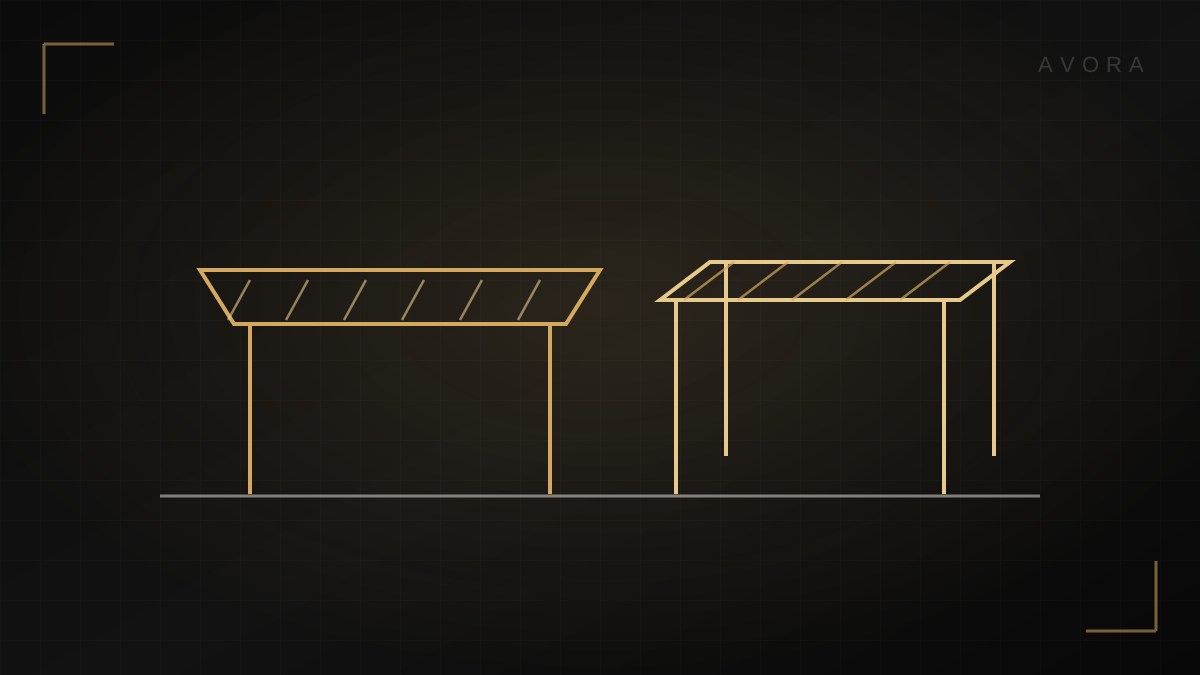
Wood or Steel Pergola?
A pergola is a design element as much as a functional one, so the choice between wood and steel comes down largely to personal taste — but there are practical differences worth knowing before deciding.
A practical comparison of the two materials
| Criterion | Wood | Steel |
|---|---|---|
| Appearance | Warm, natural, classic | Modern, clean lines |
| Maintenance | Routine (protective coating periodically) | Less, with occasional paint checks |
| Heat and sun resistance | Needs treatment against cracking | Handles it well with rust treatment |
| Initial cost | Varies by wood type | Usually lower for simple designs |
| Lifespan without maintenance | Shorter | Longer |
Why many still choose wood despite the maintenance
Wood's warm, natural look is hard to replicate with another material, especially for family gardens and classic seating areas — which is why it remains popular despite needing routine care.
Why others lean toward steel
Steel suits anyone wanting a modern look with minimal upkeep, and handles intense heat and sun better without cracking or fading over time.
A middle ground: steel with a wood-look finish
It's now common to use steel frames with a paint or wrap finish that mimics wood — combining wood's aesthetic with steel's lower maintenance.
Note: prices in this article are indicative and vary with specification, quantity and site conditions. For an exact figure for your project, request a free quote.
Frequently asked questions
Does wood withstand Saudi summer heat?+
It holds up with periodic treatment using UV and heat protection products; skipping this maintenance accelerates cracking and fading.
How often does wood need repainting?+
Usually once a year or every two years, depending on direct sun and rain exposure.
Can wood and steel be combined in the same pergola?+
Yes, a common design pairs a steel frame with wooden top details for a warm look with higher structural durability.